
The Local Social Flywheel: Posts to Bookings, Measured
A practical measurement model for local social: map awareness to intent to conversions using UTMs, “good enough” KPIs, and a simple weekly planning loop.
1) The Flywheel Model: Awareness → Intent Signals → Conversions
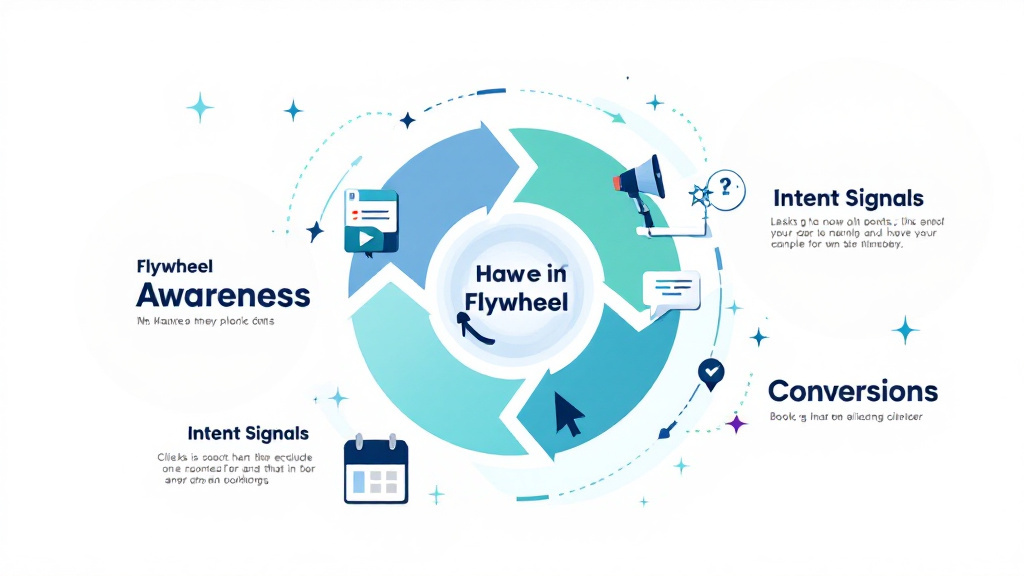
Local social works best as a flywheel, not a lottery ticket. In a solid social-media-strategy, your posts create awareness (people recognize you), which produces intent signals (they click, save, DM, or ask a question), which finally becomes conversions (calls, form fills, bookings, purchases). The goal isn’t viral reach—it’s a repeatable path from content to revenue.
Start by labeling your content into three buckets. Awareness content is educational, behind-the-scenes, community, and proof (before/after, testimonials). Intent content is offer-driven and action-oriented: pricing ranges, availability reminders, “book now,” seasonal promos, and FAQs that reduce hesitation. Conversion moments usually happen off-platform—your booking page, phone, or checkout—so your measurement must connect these steps.
This is where local-marketing gets practical: instead of tracking dozens of metrics, decide what “movement” looks like at each stage. Awareness = consistent reach and saves; intent = link clicks and DMs; conversion = booked appointments or qualified leads. That framing makes analytics feel manageable and keeps your small-business priorities front and center.
2) Lightweight Attribution: UTMs, “Good Enough” KPIs, and Fewer Dashboards
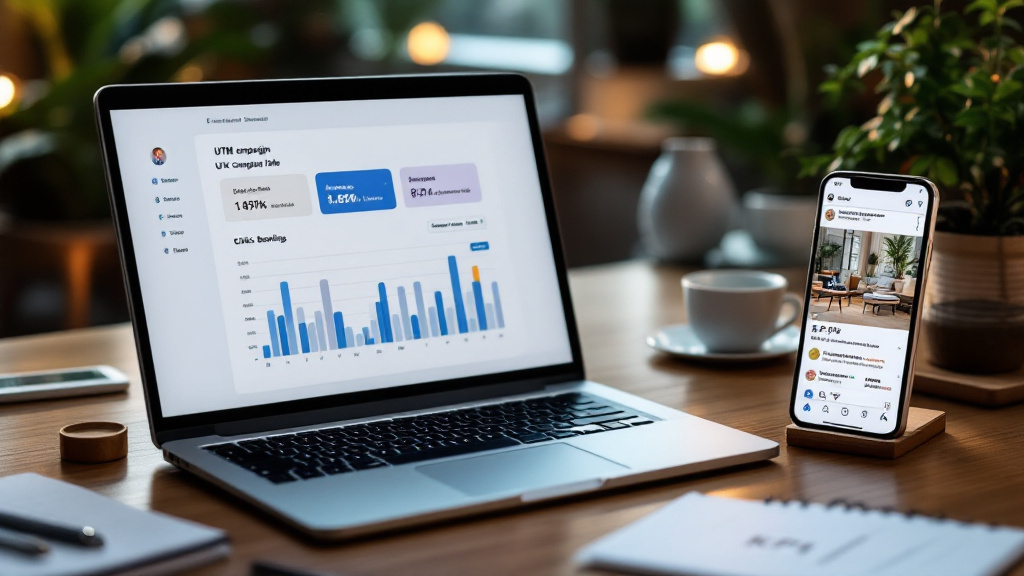
You don’t need enterprise attribution to run effective local social—you need consistency. Use UTMs on every link you control (bio link, story link, post link, offer link). At minimum: utm_source (instagram, facebook), utm_medium (social), utm_campaign (week202609backtoschool), and optionally `utmcontent` (reeltestimonial vs carouselpricing). This creates a clear trail from a post to website sessions, key page views, and booking starts.
Then pick “good enough” KPIs that match the flywheel. Awareness KPIs: reach, video views, saves (especially for service explainers). Intent KPIs: profile visits, link clicks, DMs with keywords like “price,” “availability,” “shipping,” “book.” Conversion KPIs: calls, form submissions, checkout completions, appointment requests. If you can only track one conversion metric, track booking starts or lead form submits—they’re earlier than revenue, but still meaningful.
Finally, set one reporting view you’ll actually use weekly: a single sheet or dashboard with 8–12 numbers total. This keeps your analytics focused and makes social-media-strategy decisions faster. More charts rarely means more clarity for a small-business owner.
3) Weekly Planning Without the Noise: A Repeatable Social Operating Rhythm
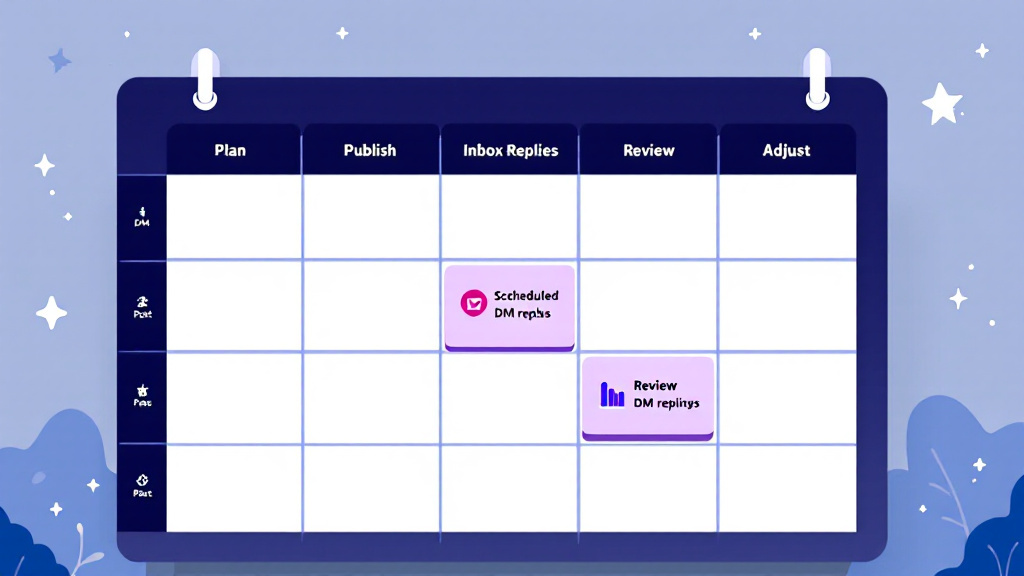
The fastest way to improve local results is a weekly loop: plan → publish → respond → review → adjust. On Monday, set a one-page plan with 3–5 posts for awareness, 1–2 for intent (offer/availability), and one conversion push (booking link, call, limited-time promo). Keep creative constraints consistent—tone, service focus, and “do-not-say” rules—so your content stays on-brand even as you test formats.
Midweek, treat inbox and comments as part of the funnel. Quick, helpful replies turn intent signals into conversions, especially in local-marketing where timing matters. Track a few response metrics: median reply time, number of booking-related DMs, and how many DMs you routed to a link with UTMs.
On Friday, review performance against the flywheel: which posts drove saves and shares (awareness), which drove clicks/DMs (intent), and which drove booking starts (conversion). Keep the decision rule simple: double down on the top 20% of themes and formats, rewrite or retire the bottom 20%. Tools like LocalLift Social formalize this rhythm by drafting posts from a brand profile, scheduling them, assisting inbox replies, and tying outcomes back to UTMs—so your social-media-strategy, attribution, and analytics stay practical for a small-business week.